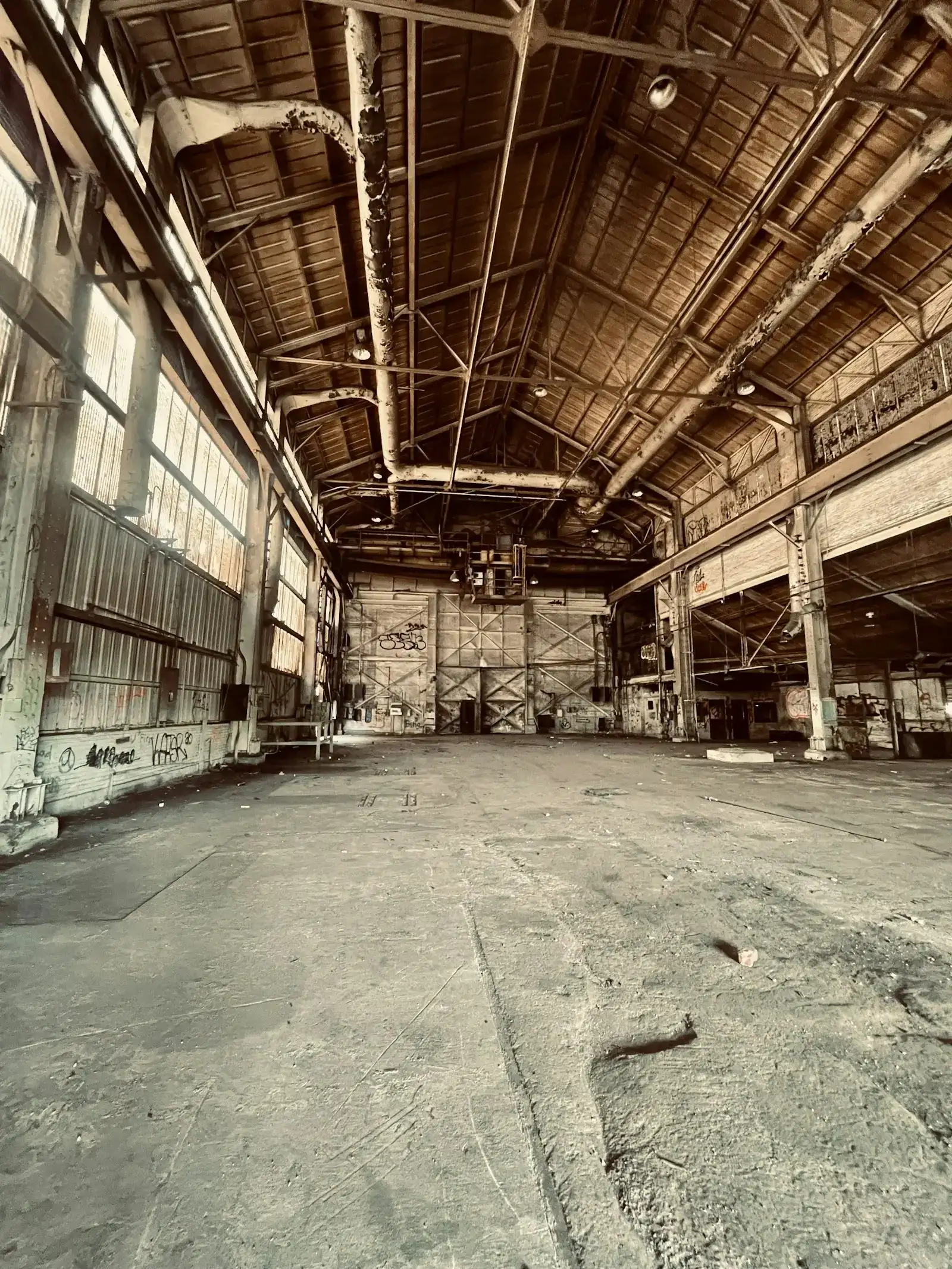
How vacancy clauses work
Most commercial property policies treat an empty building as a different, higher risk. Canadian commercial policies commonly include vacancy clauses that restrict coverage once a building has been empty for 30 to 60 consecutive days, depending on the wording (HUB International). One Canadian broker describes 30 consecutive days as the most common trigger, with some policies acting sooner (Zensurance, Sep 2026).
Once the clause applies, the perils most often affected are water damage, theft, vandalism and glass breakage. Coverage for fire and other perils may also be reduced, for example to actual cash value instead of replacement cost (HUB International). The exact effect depends on your policy, so read the vacancy and unoccupancy wording itself rather than relying on a general rule.
Vacant versus unoccupied
Policies often distinguish the two. Broadly, an unoccupied building still has contents, equipment and utilities but no one working in it, while a vacant building has been emptied and is not being used (HUB International). A cannabis facility after a tenant leaves can fall into either category, depending on what equipment remains and whether systems are running. Ask the broker which definition your policy uses and how many days apply to each.
BC law: telling the insurer about a change in risk
Every BC property policy includes statutory conditions set by the Insurance Act, s. 29. Statutory Condition 4 requires the insured to promptly give written notice to the insurer or its agent of a change that is material to the risk and within the insured's control and knowledge. If the insurer is not promptly notified, the contract is void as to the part affected by the change. Once notified, the insurer may terminate the policy or require an additional premium to continue it.
A tenant moving out, a building being emptied, or a switch from cannabis production to storage are all changes an owner should raise with the broker in writing. Separately, section 32 of the Act says a policy term about the use, condition, location or maintenance of the property is not binding on the insured if a court finds it unjust or unreasonable. That is a litigation safeguard, not a planning tool.
Cannabis-specific insurance
Cannabis operations are usually insured through specialist brokers and a limited group of insurers. Canadian cannabis programs typically combine property and crop coverage with product liability and recall, business interruption, and directors and officers coverage (Gallagher Canada). A 2023 industry review reported that the main property claims for cannabis operations were theft, fire and water damage, and flagged possible capacity strain as the industry consolidates (Canadian Underwriter, May 2023).
For a landlord, three situations are worth separating:
- Tenant in place. The tenant's policy covers its operations, contents and crop; the landlord's policy covers the building. The landlord's insurer needs to know about the cannabis use.
- Tenant leaving. The tenant's coverage ends when it leaves or when its policy lapses, sometimes earlier if it is insolvent. Equipment left behind may not be covered by anyone unless the landlord arranges it.
- Empty former cannabis building. Some insurers may still rate the building on its past use or on remaining equipment. Removing cannabis-specific hazards (extraction equipment, stored chemicals, surplus electrical load) can make the building easier to place.
Health Canada's physical security rules for licensed sites (perimeter cameras, barriers, restricted access) stop applying to the building once the licence is gone, but the hardware can still help with an insurer's security conditions (Cannabis Regulations, ss. 62-70).
Keeping an empty facility insurable
Insurers usually attach conditions to vacant or unoccupied coverage. Common ones include keeping heat on or draining water systems, keeping fire suppression and alarm systems maintained and tested, regular documented inspections, security monitoring, and ongoing maintenance such as snow removal (HUB International; Zensurance). Zensurance cites inspections every 48 hours as a standard target; your insurer's requirement is the one that counts.
| Measure | Why insurers care | What to keep on file |
|---|---|---|
| Heat or drained plumbing | Frozen pipes are a leading cause of water damage in empty buildings | Thermostat settings, service records, drain-down confirmation |
| Sprinkler and alarm maintenance | Fire protection must work when no one is on site | Inspection and testing reports |
| Regular inspections | Early detection of leaks, break-ins and roof problems | Dated inspection log with photos |
| Security and monitoring | Theft and vandalism risk rises in empty buildings | Alarm monitoring contract, camera records, locksmith invoices |
| Grounds and roof upkeep | Snow load, drainage and visible neglect | Contractor invoices, snow-clearing records |
| Written notice to insurer | Required for material changes under BC statutory conditions | Copy of notice and insurer's written response |
The BC Fire Code separately requires vacant buildings to be secured against unauthorized entry (BC Fire Code 2018, Article 2.4.6.1). The 2024 edition is now in effect (Province of BC), so confirm current requirements with the local fire authority.
Call your broker before the building is empty, not after. Ask in writing how your policy defines vacancy, how many days apply, which coverages change, and what conditions you must meet. Undisclosed vacancy is a common reason for a declined claim.
What lenders and buyers will want
A lender on the property usually requires insurance that protects its interest, often through a standard mortgage clause. Under the standard clause, the insurance on the mortgagee's interest remains in force despite "any act, neglect, omission or misrepresentation attributable to the mortgagor, owner or occupant" (Canadian Underwriter). Some insurers now use more detailed mortgage clauses that put reporting obligations on the lender as well, so lenders pay close attention to occupancy status.
For a sale of a vacant facility, expect a buyer's lender to ask:
- Can the building be insured on closing, at replacement cost, with the lender named?
- How long has it been empty, and has the owner met the policy's vacancy conditions?
- Are there open claims, known water damage or mould?
- What equipment remains, and is it owned outright or subject to a security interest?
Having a broker's written confirmation of insurability, plus inspection and maintenance records, can shorten financing conditions. See financing cannabis real estate.
Property tax and BC Assessment while the building is empty
- Valuation dates. BC Assessment values property at market value as of July 1 and physical condition as of October 31 of the year before the assessment roll (Property Assessment Appeal Board).
- Income-producing buildings. Where the income approach is used, BC Assessment applies an allowance for long-term vacancy to market rents; special-purpose properties may instead be valued on a cost approach (Property Assessment Appeal Board). Whether a specific vacancy changes a specific assessment is a question for BC Assessment or an assessment appeal professional.
- Appeal deadline. Complaints about an assessment must be filed with BC Assessment by January 31 (Province of BC – Property Assessment Review Panel).
- Speculation and vacancy tax. BC's speculation and vacancy tax applies only to property classified as residential in designated taxable areas (Province of BC), so a commercial or industrial facility is outside it.
- Farm class. A greenhouse or rural site with farm classification may be affected if farming stops. See ALR and farm classification.
How Sean can help
A vacant facility costs money every month in insurance, security, heat and taxes, so owners often need to decide quickly whether to re-let, repurpose or sell. Sean Phillips sells cannabis and commercial buildings across BC and, since 2014, has worked on 276+ Health Canada licence applications. His paid site assessments, quoted per site, look at what the building offers the next licensed or non-cannabis user (consulting). For insurance, work with a licensed broker. To discuss a sale, see selling a cannabis grow facility or contact Sean. After a tenant leaves, tenant exit and decommissioning covers the building checklist.